How to count calories: an easy guide for beginners
Counting calories isn’t a diet: it is seeing with real data how much you eat. We explain how to start in five steps, the mistakes almost everyone makes at first and how to do it in a few minutes a day.


Key takeaways
- Logging what you eat helps you lose weight.
- Log as you go and measure portions for the first few weeks.
- Don’t forget oils, dressings and drinks.
- Look at your weekly average, not a single day.
Article contents
Why count calories?
Counting calories means writing down what you eat so you know how much energy you take in. It isn’t about banning foods: it is about seeing what really happens in your day. Reviews of the research agree that people who log what they eat consistently tend to lose more weight than those who don’t.
How to start in 5 steps
- Know your target. Work out how many calories you need for your goal.
- Log everything for a week without changing anything. That shows your real starting point.
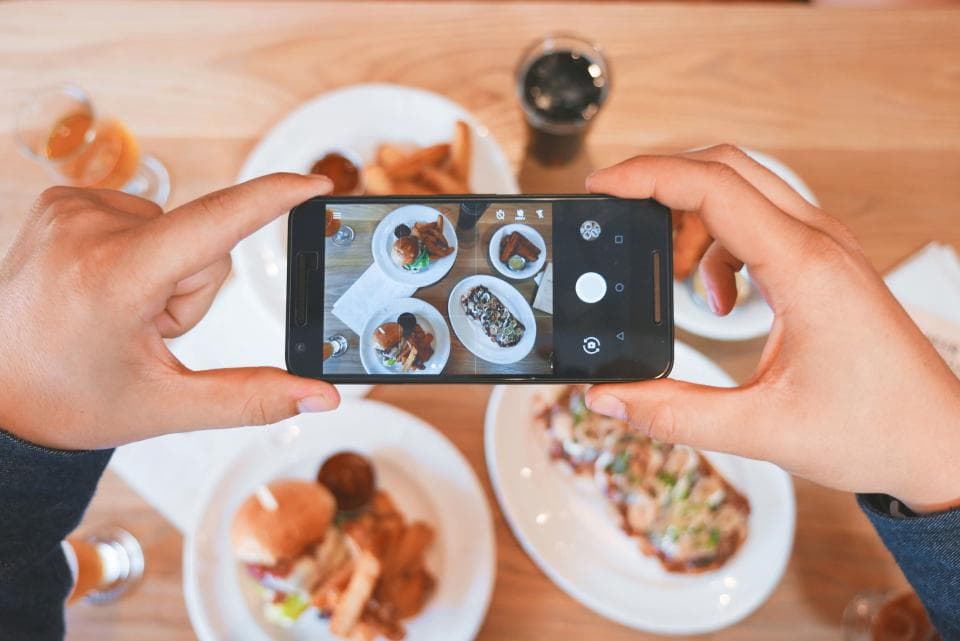
- Log as you go, not at the end of the day. It is easy to forget a snack or a drink.
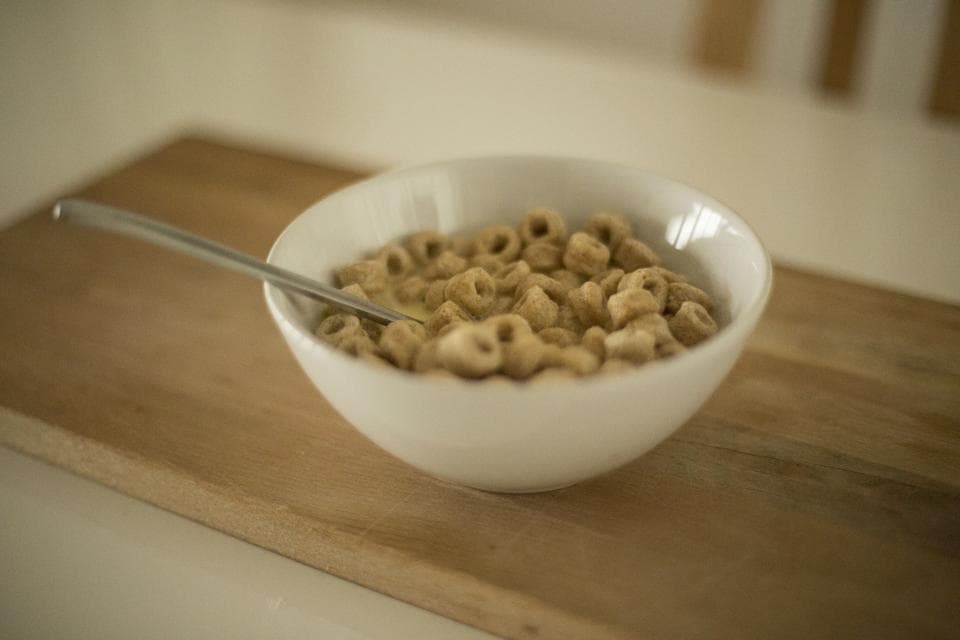
- Measure your portions. Use a kitchen scale or measuring cups for the first few weeks. Later you will learn to estimate by eye.
- Look at your week, not a single day. One high day ruins nothing if the average is on track.
The most common mistakes
- Forgetting the extras: cooking oil, dressings, sugar in your coffee and sauces add up to more than you think.
- Not counting drinks: soda, juice, milky coffee and alcohol have calories too.
- Guessing portions: at first, almost everyone underestimates.
- Only logging the good days: the hard days are data too.
How to make it easier
- Repeat meals. If you eat almost the same breakfast, save it to your favourites and it will be there every morning.
- Scan packages. The barcode brings in the label data. Learn to read it in our nutrition label guide.
- Create your own foods. A home-cooked stew is created once with its ingredients, and after that you just choose the portion.
- Watch your macros too. Beyond calories, check your protein: here is how to work out your macros.
Do you have to count forever?
Not necessarily. Many people count for a few weeks or months to learn how much they eat, then log only now and then to check in. What matters is that it works for you.
Frequently asked questions
Does counting calories work for weight loss?
Yes. Logging what you eat helps you keep a calorie deficit, and studies link consistent logging with more weight loss.
Do I have to weigh my food?
It helps a lot at first. After a few weeks you learn to estimate portions by eye quite accurately.
Does cooking oil count?
Yes. A tablespoon of oil has about 120 kcal, so it is worth logging.
What if I go over my calories one day?
Nothing serious. Log it anyway and carry on the next day. What counts is your weekly average.
Sources
- Burke LE, Wang J, Sevick MA. Self-monitoring in weight loss: a systematic review of the literature. J Am Diet Assoc. 2011;111(1):92-102. doi.org/10.1016/j.jada.2010.10.008
- NHS. Lose weight — Better Health. www.nhs.uk/better-health/lose-weight/
We write nutrition guides with the same calculations and sources the app uses, cited at the end of each article.
This content is for information only and does not replace advice from a doctor or dietitian. If you have a health condition, are pregnant or take medication, check with a professional before changing how you eat.